 Austria Vienna Hub
Recent Tactical Trends
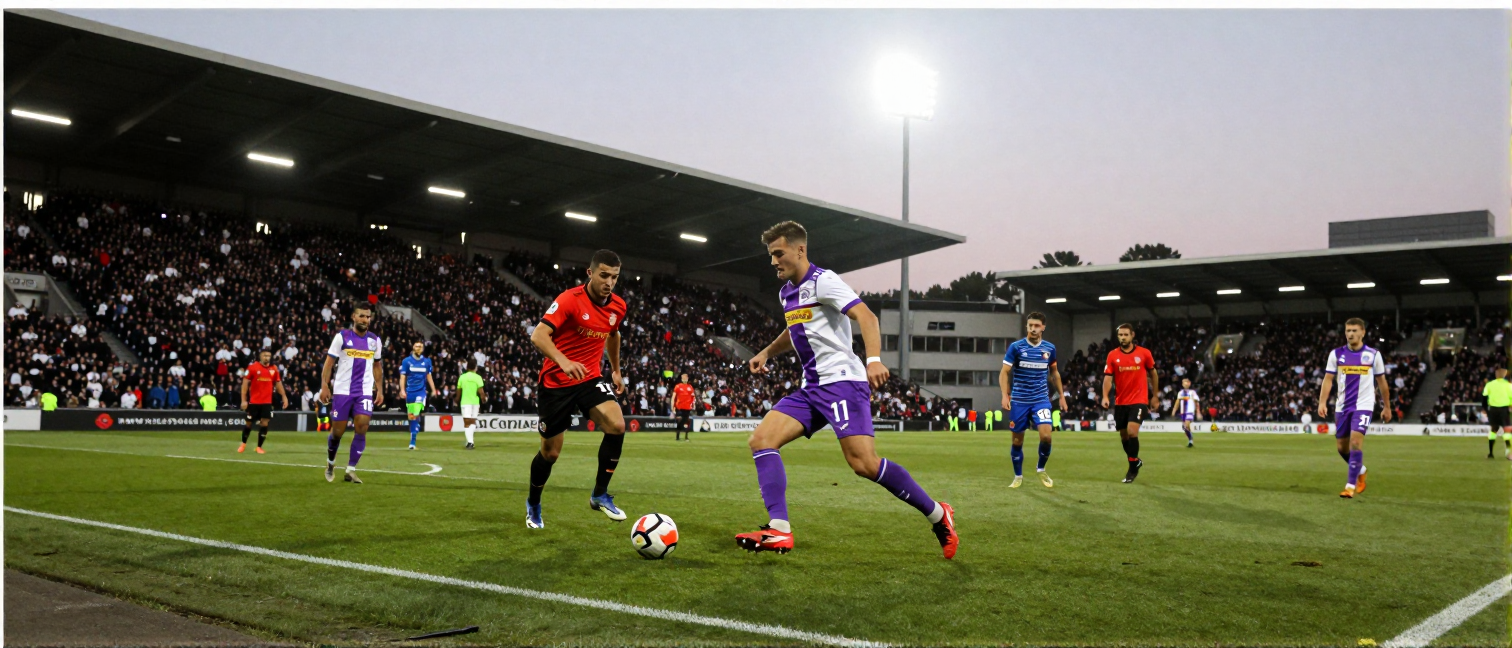
Over the past few weeks, FK Austria Wien has showcased a blend of attacking flair and defensive resilience, but inconsistencies have crept into their performances. The team's formation has largely revolved around a 4-2-3-1 setup, allowing for dynamic midfield play and flexibility in attack. However, while the Violets have been able to create opportunities, they have struggled to convert them into goals at critical moments, which has ultimately affected their league position.
Strengths in Midfield
One of the notable strengths of the current squad is the midfield dynamism, particularly with players like Dominik Fitz and Alexander Grünwald who have shown an ability to link play effectively. Their movement off the ball creates space, allowing for overlapping runs from full-backs like Andreas Poulsen. This has led to some effective wide play, but the team often becomes too predictable, relying heavily on wing play to generate chances.
Defensive Vulnerabilities
Defensively, FK Austria Wien has displayed some solidity, yet lapses in concentration have led to avoidable goals against them. The center-back pairing of V. Kirchberger and D. Schick has been generally reliable, but they face challenges against teams that employ a high press. When pressed, the Violets sometimes struggle to build from the back, leading to hasty clearances and turnovers in dangerous areas.
Suggested Tactical Adjustments
1. Formation Flexibility: While the 4-2-3-1 has its merits, considering a shift to a 3-5-2 formation could enhance both defensive stability and attacking versatility. This would allow the wing-backs to push higher up the pitch and support the forwards more effectively, while also providing extra cover in central areas when defending.
2. Midfield Rotation: Introducing a more rotational approach in midfield could keep opponents guessing and optimize the use of players’ strengths. Encouraging the likes of Fitz and Grünwald to interchange positions can create mismatches against opposing defenses and open up new passing lanes.
3. Utilizing a Target Man: Integrating a more physical presence up front, such as a traditional target man, might alleviate some pressure on the midfield. This player could act as a focal point for long balls and provide an alternative avenue for attack, especially when the team is struggling to break through compact defenses.
4. Improving Build-up Play: To address the issues with pressing, FK Austria Wien should focus on developing their build-up play from the back. Encouraging the center-backs to play out from the back with composure while utilizing the midfielders to create passing triangles could help mitigate turnovers and retain possession under pressure.
Conclusion
As FK Austria Wien continues to adapt in the Austrian Bundesliga, these tactical tweaks could provide the necessary adjustments to enhance their performances. By embracing flexibility in formation and approach, the team can better leverage their strengths while addressing current vulnerabilities. The potential for growth is evident, and with the right adjustments, the Violets can look forward to a more successful campaign ahead.