 Austria Vienna Hub
The 2000s represented a pivotal phase in the history of FK Austria Wien. After a series of less successful seasons in the late 1990s, the Violets sought a way to reclaim their position at the top of the Austrian Bundesliga. The club relied on a combination of experienced players and promising talents from their own academy to form a competitive team.
A standout example from this era was the rise of players like Emanuel Pogatetz and Andreas Ivanschitz, who garnered attention not only domestically but also in international competitions. These two individuals became key figures in the squad, embodying the values and traditions of the club. Pogatetz, known for his robust defending, and Ivanschitz, a creative midfielder, were the heart of a team that quickly made a name for itself.
The strategic decisions made by the club also played a crucial role. The then-coach, with a vision to rejuvenate the club, introduced a playing philosophy based on aggressive pressing and quick ball possession. This tactic proved to be highly effective, and the Violets gained confidence, which was reflected in their performances on the pitch.
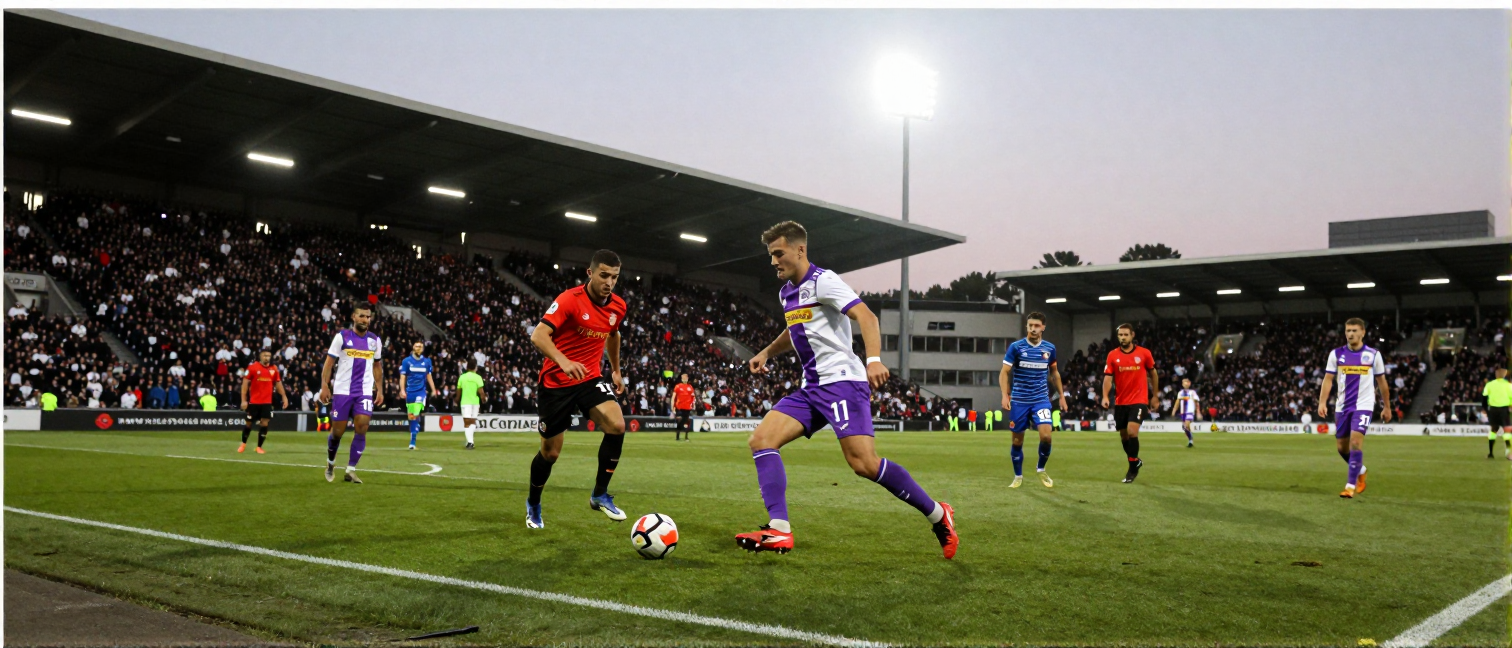
A memorable moment from this period was the resurgence against arch-rivals SK Rapid Wien. The derbies were always emotionally charged, and the atmosphere in the stadium was electrifying. The Violets often showcased impressive performances that sent the fans into ecstasy, putting the club back in the spotlight in the city of Vienna.
In the 2006/07 season, FK Austria Wien finally succeeded in winning the championship, marking the pinnacle of this remarkable turnaround. The title was not just a sign of sporting resurgence but also a symbol of determination and unwavering belief in their own strength. The club was back where it belonged – at the top of Austrian football.
In conclusion, the 2000s were a time of revival and hope for FK Austria Wien. With a mix of talented players, astute tactical decisions, and passionate fans, the journey back to the roots of success and pride for the club began.