 Austria Vienna Hub
The 1980s served as a significant chapter in the storied history of FK Austria Wien, a decade that encapsulated both remarkable triumphs and notable challenges. Following the glory years of the 1960s and 1970s, the Violets faced a transitional phase that would ultimately define their resilience and adaptability in the game.
In the early part of the decade, Austria Wien continued to assert dominance in the Austrian Bundesliga. Under the astute management of coaches like Karl Stotz, the club claimed the league title multiple times, reinforcing their position as one of Austria's premier football institutions. The 1984 season stands out particularly, as the Violets clinched the league championship, a testament to their consistent performance and the skilled roster at their disposal. Players like Walter Schachner and Michael Konsel were pivotal in this success, showcasing their talents week after week.
However, the decade was not without its trials. As the Violets enjoyed success domestically, they struggled to replicate that form on the European stage. The UEFA competitions became a challenging battleground, often exposing the limitations of the squad against more established European teams. Although they had moments of brilliance, such as their memorable matches in the UEFA Cup, these encounters also underscored the need for strategic evolution and recruitment to compete at the highest levels.
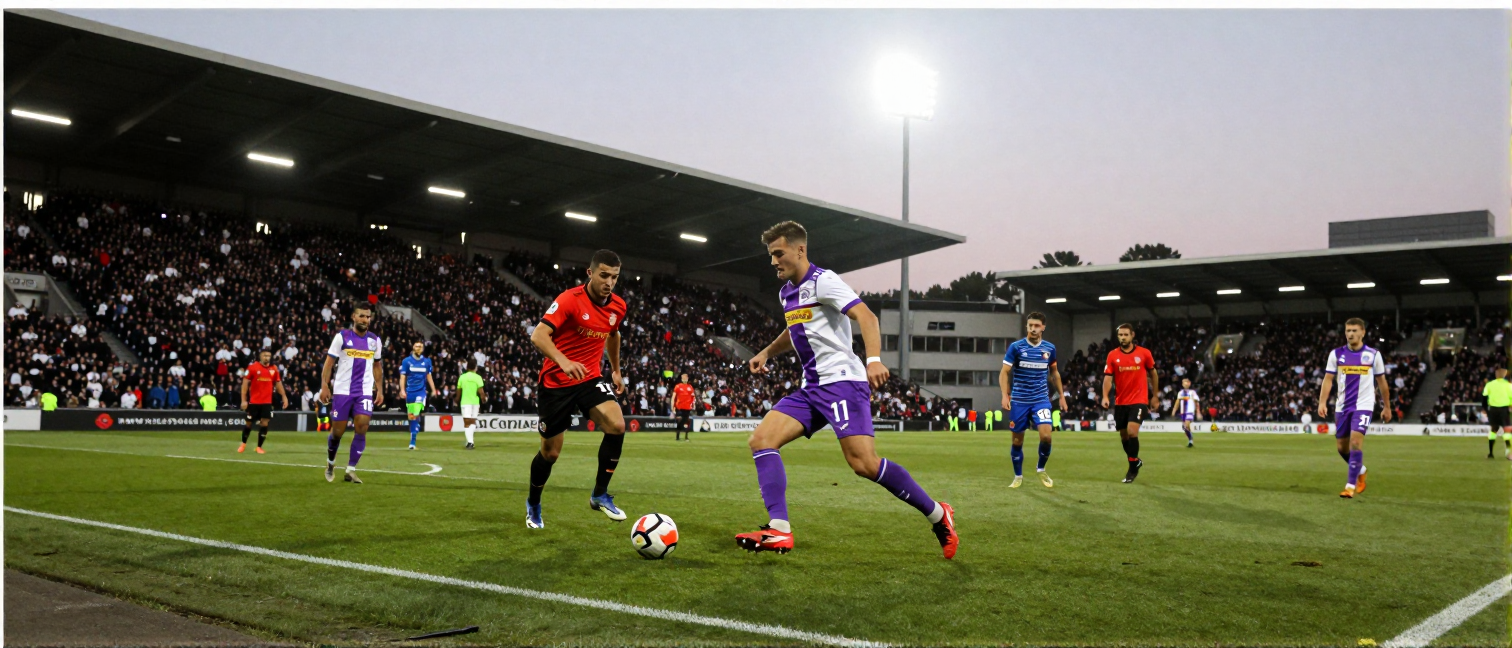
The rivalry with SK Rapid Wien intensified during this decade, leading to some of the most heated encounters in Austrian football history. Matches against their arch-rivals were not just about points; they were steeped in emotion and history, drawing the fervent support of their fans. The atmosphere in the stadium during these derbies was electric, with the Violets' faithful creating an unforgettable backdrop that fueled the players’ performances.
By the late 1980s, FK Austria Wien began to experience a shift in fortunes. The emergence of young talent, coupled with strategic signings, laid the groundwork for a new era. The club's commitment to youth development became increasingly evident, as they nurtured homegrown players who would go on to become integral to the team’s future successes.
In conclusion, the 1980s were a defining period for FK Austria Wien, characterized by a blend of triumph and adversity. The experience gained during these years would serve as a foundation for the club's next chapter, highlighting the importance of resilience and adaptability in the ever-evolving landscape of football. As we look back on this decade, it is clear that the Violets' journey through the 1980s not only shaped their identity but also solidified their place in the heart of Austrian football.